## The Allure of the *Glass Modern Terrarium*: A Deep Dive into Design and Cultivation
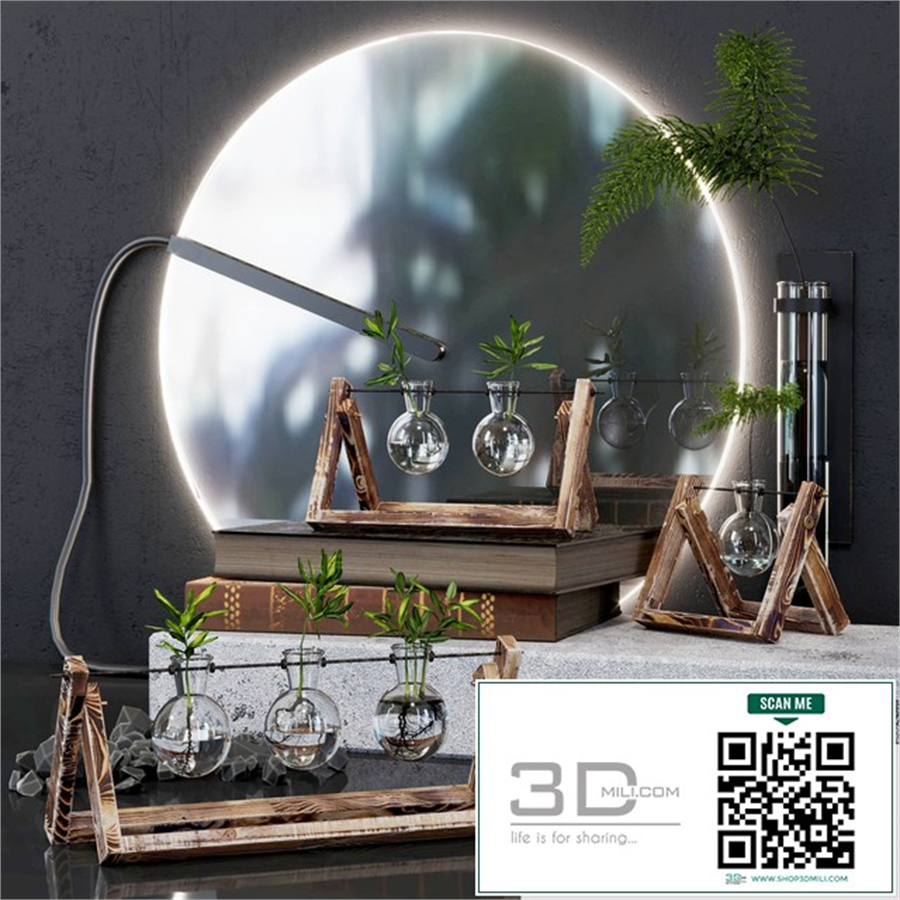
The glass modern terrarium has transcended its humble beginnings as a simple plant enclosure, evolving into a sophisticated statement piece for modern interiors. This isn't simply a container for plants; it's a *microcosm*, a miniature landscape carefully curated to reflect the owner's aesthetic and cultivate a unique, thriving ecosystem. This in-depth exploration will delve into the design elements, the horticultural considerations, and the overall artistic appeal of the modern glass terrarium.
Part 1: Design Aesthetics – Form Meets Function
The beauty of the glass modern terrarium lies in its inherent simplicity and versatility. The *translucent quality* of the glass allows for a captivating display of the interior landscape, highlighting the textures, colors, and forms of the chosen plants. Modern designs often prioritize *clean lines*, *geometric shapes*, and *minimalistic aesthetics*. This contrasts sharply with the more ornate terrariums of the past, embracing a contemporary elegance.
Several key design aspects contribute to the overall appeal:
* Shape and Size: From sleek, cylindrical vessels to angular cubes and even intricate, multi-tiered structures, the *shape* plays a crucial role in determining the overall aesthetic. The *size* also matters, dictating the scale of the internal landscape and the types of plants that can be successfully cultivated. Larger terrariums offer more creative possibilities, while smaller ones provide a more intimate and focused display.
* Glass Type: The *type of glass* influences both the aesthetics and the functionality. Clear glass offers the clearest view, while frosted or textured glass can add a layer of visual interest and diffuse light, creating a softer ambience. The *thickness* of the glass contributes to the overall durability and sturdiness of the terrarium. Consider *recycled glass* for a more environmentally conscious choice.
* Base and Stand: The *base* of the terrarium can range from simple, integrated bases to elaborate stands that elevate the piece and add to its visual impact. A *wooden stand*, for instance, offers a warm contrast to the coolness of the glass, while a *metal stand* provides a more industrial edge. The choice depends on the overall design scheme and desired aesthetic.
* Open vs. Closed Systems: A crucial design decision is whether to create an *open* or *closed* terrarium. *Closed systems*, sealed tightly, create a self-regulating microclimate with higher humidity, ideal for certain tropical plants. *Open systems*, on the other hand, require more frequent monitoring and watering, offering more flexibility in plant choices but less autonomy.
* Accessories: Subtle additions such as *decorative stones*, *charcoal*, and *driftwood* can enhance the visual appeal and contribute to the functionality of the terrarium. These elements not only improve the aesthetic but also provide structural support for the plants and aid in drainage.
Part 2: Horticultural Harmony – Cultivating a Thriving Ecosystem
The *horticultural aspect* of a glass modern terrarium is equally important as its design. Choosing the right plants is crucial for maintaining a healthy and visually appealing microcosm. The success hinges on understanding the specific needs of each plant species in terms of:
* Light Requirements: *Light levels* within a terrarium can vary considerably depending on its placement and the amount of ambient light. Selecting plants that thrive in low-light, moderate-light, or high-light conditions is essential. Consider the *direction* of light and how it will affect the plants inside.
* Humidity and Temperature: *Humidity* is a critical factor, particularly in closed terrariums. Tropical plants require higher humidity, while succulents and cacti tolerate drier conditions. The *temperature* within the terrarium should also be considered, ensuring it aligns with the chosen plants' needs.
* Soil and Drainage: The *soil mix* is crucial for proper drainage and aeration. Using a well-draining potting mix is important to prevent root rot, a common problem in terrariums. Adding a layer of *charcoal* helps to absorb excess moisture and improve air circulation.
* Plant Selection: Consider a *variety of textures, colors, and sizes* to create a visually interesting composition. *Succulents*, *air plants*, *mosses*, and *ferns* are popular choices for terrariums, offering a range of shapes, sizes, and light requirements. Researching the *specific needs* of each plant species before planting is paramount.
* Maintenance: Even low-maintenance terrariums require *regular monitoring and occasional care*. This includes checking for signs of disease or pest infestations, adjusting the humidity levels as needed, and carefully adding water when necessary. Overwatering is a common mistake, so it's best to err on the side of caution.
Part 3: The Artistic Expression – Beyond Mere Decoration
The glass modern terrarium is more than just a plant container; it's a *miniature work of art*, a testament to the owner's creativity and attention to detail. It offers a unique opportunity for *artistic expression*, allowing individuals to create a personalized landscape that reflects their personal style and taste.
* Creating a Theme: Consider establishing a *theme* for your terrarium, whether it's a *desert landscape*, a *tropical rainforest*, or a *minimalist zen garden*. This will guide your plant selection and accessory choices, resulting in a cohesive and visually appealing composition.
* Layering and Composition: The *arrangement of plants and accessories* is vital in creating a visually appealing and balanced composition. Consider the *principles of design*, such as scale, proportion, and contrast, to create a dynamic and visually engaging display. *Layering plants* of different heights and textures can add depth and complexity.
* Color Palette: The *color palette* of your terrarium can significantly impact its overall aesthetic. Consider the *colors of the plants*, the *accessories*, and even the *color of the glass* itself to create a harmonious and visually striking display.
* Personalization: The glass modern terrarium is a highly *personalizable* item. You can incorporate *personal mementos*, *small figurines*, or other elements that hold sentimental value, transforming the terrarium into a unique and cherished piece.
* Evolution and Change: A terrarium is a *living artwork* that will evolve over time. Plants will grow, change color, and potentially require pruning or re-potting. Embracing this *dynamic nature* is part of the enjoyment of owning a terrarium. It’s an opportunity to observe and learn about the growth and interaction within this miniature ecosystem.
Conclusion:
The glass modern terrarium represents a captivating blend of design, horticulture, and artistic expression. By carefully considering the design elements, horticultural requirements, and artistic possibilities, you can create a stunning and thriving miniature landscape that serves as a captivating focal point in your home. It's a testament to the power of nature's beauty, perfectly encapsulated within the elegant simplicity of modern glass design. The ongoing care and observation of this living art piece provide a unique and rewarding experience, constantly evolving and adapting over time. The beauty lies not just in the initial creation, but in the continuous journey of nurturing and observing this delicate, thriving ecosystem.