## The Shawl Over Manikin: A Study in Drapery and Form
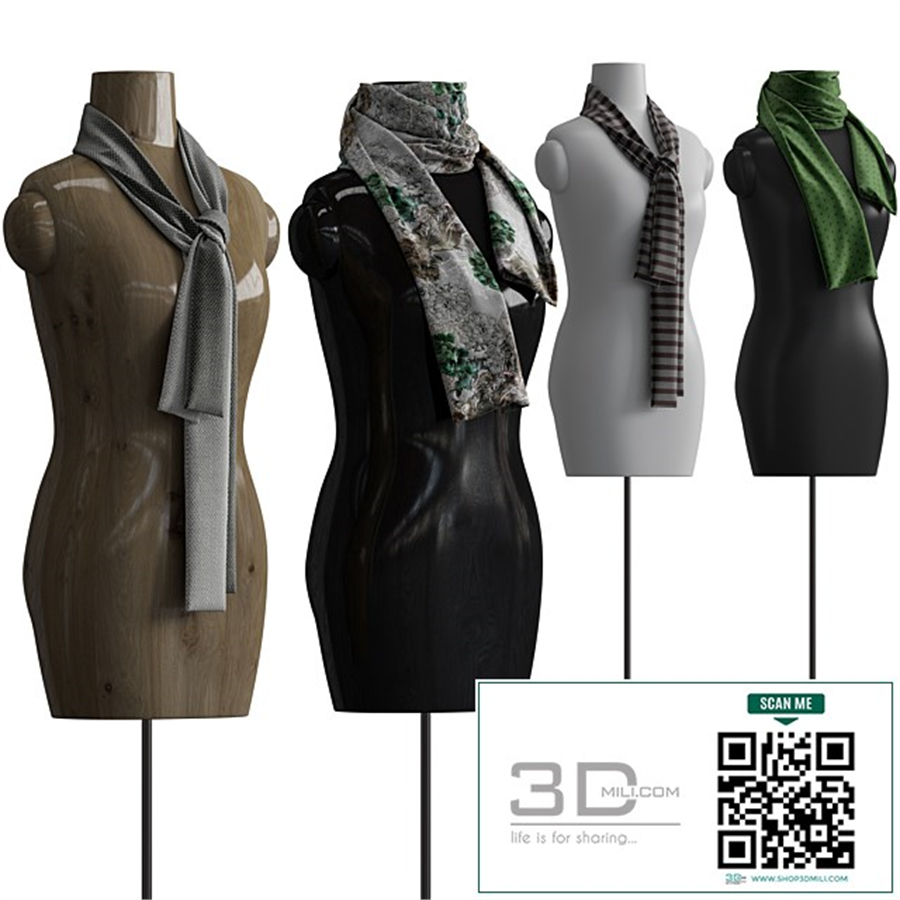
This document explores the design and artistic considerations surrounding the seemingly simple image of a *shawl draped over a manikin*. While seemingly straightforward, this composition offers a rich tapestry of opportunities for artistic expression, encompassing elements of *fabric manipulation*, *form and volume*, *texture and light*, and even *narrative suggestion*. We will unpack these aspects, considering the practical choices inherent in the design process and the deeper symbolic meanings that can emerge from such a seemingly simple image.
Part 1: The Manikin – Foundation of Form
The manikin itself serves as the fundamental *foundation* for the entire composition. It's not merely a passive support; its *form* and *posture* directly influence the *drape* and overall impression of the shawl. The choice of manikin is crucial.
* Type of Manikin: A classic, stylized manikin will lend a sense of *classicism* and *elegance* to the composition. A more realistic, anatomically correct manikin will invite a different interpretation, perhaps emphasizing the *humanity* and *wearability* of the shawl. An abstract or fragmented manikin can introduce elements of *modernism* and *surrealism*, forcing the viewer to engage with the shawl's form in a more conceptual way. Consider the *material* of the manikin: wood suggests *rusticity*, while polished metal evokes a sense of *modernity* or *luxury*.
* Pose and Posture: The manikin's pose dramatically affects how the shawl falls. A *relaxed* pose might result in soft, natural folds, while a more *dramatic* or *angular* pose will create sharper, more defined creases. The *angle* of the manikin in relation to the viewer influences the *perspective* and ultimately the *impact* of the image. A profile view emphasizes the *silhouette*, while a three-quarter view reveals more detail.
* Color and Texture: The manikin's color and texture interact with the shawl. A contrasting color creates a *stronger visual separation*, while a similar color can create a more *harmonious* effect. The texture of the manikin can subtly influence the perceived texture of the shawl, creating a sense of *visual continuity* or *contrast*.
Part 2: The Shawl – Exploration of Drapery
The *shawl* itself is the star of the show. Its design and the way it is draped determine the overall *mood* and *message* of the composition.
* Fabric Choice: The *type of fabric* dramatically alters the drape. A *lightweight*, flowing fabric like silk or chiffon will create soft, graceful folds, while a heavier fabric like wool or velvet will produce bolder, more substantial creases. The *texture* of the fabric—smooth, rough, patterned—plays a crucial role in conveying a certain *aesthetic*.
* Color and Pattern: The shawl's *color* can evoke specific emotions or associations. Warm colors like red or orange can communicate *passion* and *energy*, while cooler colors like blue or green can suggest *calm* and *serenity*. Patterns add another layer of complexity, introducing *rhythm*, *visual interest*, and potentially *symbolic meaning*.
* Drapery Techniques: The skillful arrangement of the shawl is paramount. *Loose*, casual draping conveys a sense of *informality* and *spontaneity*, while a more *structured*, precise drape suggests *formality* and *intention*. Consider the use of *folds*, *pleats*, and *cascades* to create visual interest and depth. The *way the shawl interacts with the manikin's form*—hugging it tightly or falling loosely—influences the overall aesthetic.
Part 3: Light and Shadow – Enhancing the Composition
The interplay of *light and shadow* is crucial in bringing the composition to life. It highlights the texture of the shawl and the form of the manikin, adding depth and dimension.
* Lighting Direction: The *direction* of the light source significantly alters the appearance of the folds and shadows. Side lighting emphasizes texture and form, while top lighting creates a flatter, more even appearance. Backlighting can create a *dramatic silhouette*, highlighting the outline of both the shawl and the manikin.
* Light Intensity: The *intensity* of the light affects the *contrast* and the *mood*. Soft, diffused light creates a gentle, romantic feel, while harsh, direct light can produce a more dramatic or even stark effect.
* Shadow Play: The *shadows* cast by the shawl on the manikin and the background are integral to the composition. They add *depth*, *mystery*, and *visual complexity*. The manipulation of shadows can be used to create a *focal point* or to draw the viewer's eye to specific areas of the composition.
Part 4: Context and Narrative – Beyond the Visual
While the visual aspects are crucial, the context and potential narrative suggested by the image contribute to its overall meaning and impact.
* Setting and Background: The background influences the *mood* and *setting*. A simple, neutral background emphasizes the shawl and manikin, while a more complex background can introduce narrative elements.
* Symbolic Interpretation: The shawl itself can be imbued with *symbolic meaning*. It can represent *protection*, *comfort*, *beauty*, or even *mourning*, depending on its color, texture, and the overall composition. The act of draping the shawl can suggest *care*, *preparation*, or even *abandonment*.
* Artistic Influences: The design can draw inspiration from various artistic movements and historical periods. Consider referencing styles like *still life painting*, *fashion photography*, or *sculpture* to inform the aesthetic choices and overall composition.
Part 5: Practical Considerations and Design Process
Creating the image of a shawl over a manikin necessitates a practical approach.
* Material Selection: Choosing appropriate materials for both the manikin and the shawl is essential. The materials must work well together in terms of texture, color, and drape.
* Photography or Digital Rendering: The image could be created through photography, using real materials, or through digital rendering using 3D modeling software. Each method offers its own advantages and limitations.
* Composition and Framing: Careful consideration must be given to the overall composition and framing of the image. The rule of thirds, leading lines, and other compositional principles can be employed to create a balanced and visually appealing image.
In conclusion, the seemingly simple image of a shawl draped over a manikin offers a wealth of opportunities for artistic exploration. By carefully considering the form of the manikin, the drape of the shawl, the interplay of light and shadow, and the broader context and potential narrative, a compelling and evocative image can be created. The design process demands meticulous attention to detail and a deep understanding of the visual elements at play. The final result is not just a representation of fabric and form, but a visual narrative, a study in aesthetics, and a testament to the creative potential inherent in even the most seemingly simple compositions.